
Exotic Pet Care in Riverside, CA
Support select small mammals and exotic pets with careful examinations, husbandry guidance, and species-appropriate medical planning.
Overview
Exotic pets have species-specific nutritional, environmental, handling, and medical needs. Care begins by confirming that the hospital can appropriately evaluate the species and concern, then tailoring recommendations to the individual animal.
Species-specific examinations
Housing and husbandry guidance
Nutrition and preventive-care planning
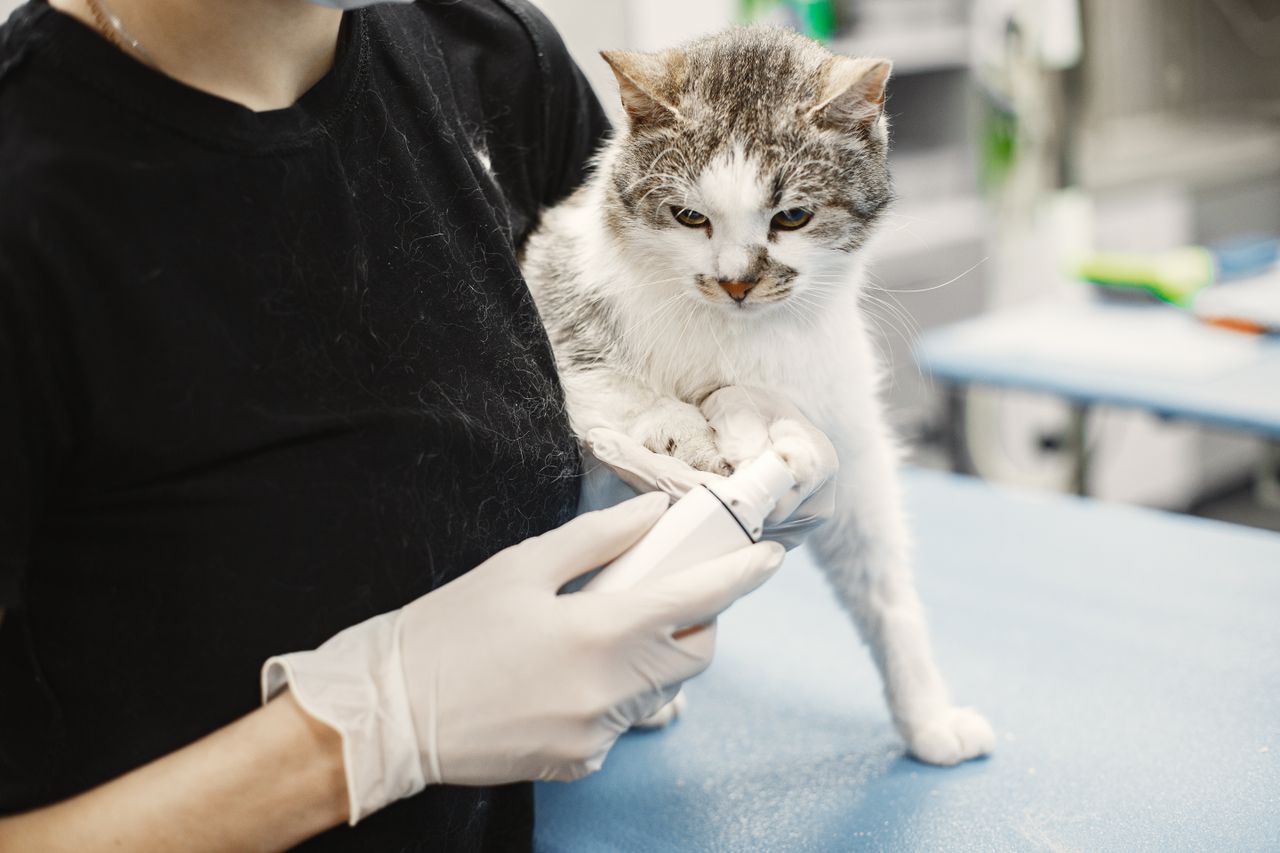
Conditions We Address
Each concern is evaluated through a comprehensive, individualized approach for Exotic Pet Care at Pedley Veterinary Hospital.
Signs Your Pet May Need Evaluation
Early evaluation can improve comfort and help the veterinary team choose appropriate next steps.
What to Expect During Your Appointment
We believe informed pet owners make better decisions. Here is what happens when you visit us.

Before the visit, confirm that the hospital sees your pet’s species and can address the specific concern. Some animals or procedures may require an exotic specialist.
We review enclosure, temperature, lighting, diet, supplements, handling, other animals, symptom timing, and previous medical information.
The veterinarian performs an appropriate examination and discusses treatment, husbandry changes, testing, monitoring, or referral.
Diagnostic Options for Exotic Pets
Testing and handling methods depend heavily on species, size, stress level, and the medical concern.
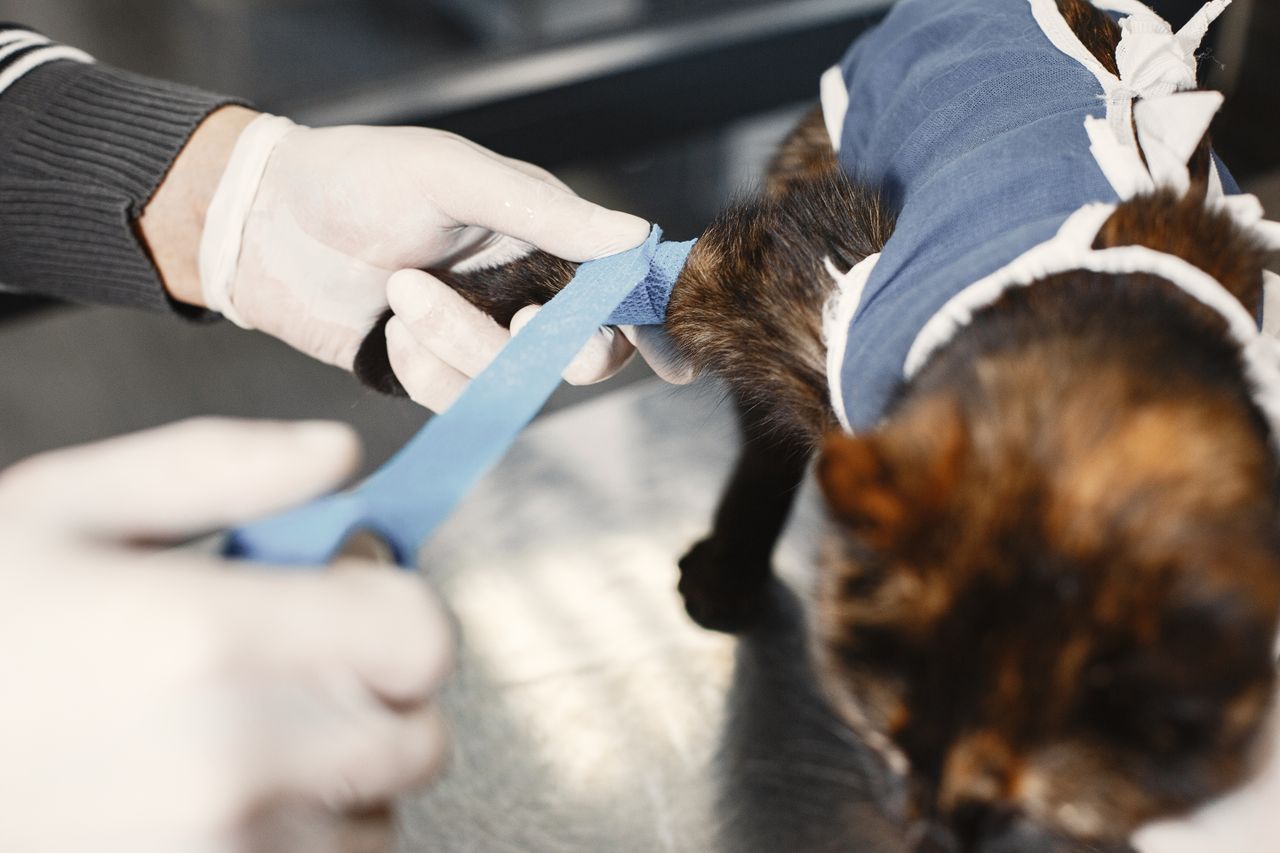
Why Families Trust Pedley Veterinary Hospital
Exotic-pet medicine requires attention to species, husbandry, stress, and safe handling. We are clear about what can be provided and coordinate referral when specialized expertise or equipment is needed.
Ready to schedule Exotic Pet Care?
Our team is here to help. Request an appointment or call us directly — we will guide you through the next steps.
Frequently Asked Questions
Common questions from pet owners about this service.
Which exotic species does the hospital see?
The current service is described for select small mammals and exotic pets. Call before scheduling to confirm the species, age, size, and reason for the visit.
What should I bring to an exotic-pet appointment?
Bring photos of the enclosure, diet and product labels, temperature and lighting information, recent droppings when requested, medications, and safe transport in a secure carrier.
Why is husbandry information so important?
Nutrition, temperature, humidity, lighting, enclosure setup, hygiene, and social conditions can directly contribute to illness in many exotic species.
What signs need prompt attention?
Reduced appetite, breathing difficulty, abnormal droppings, collapse, severe weakness, bleeding, trauma, or sudden behavior changes can be urgent. Call for guidance immediately.
Related Services
Ready to Schedule Your Pet’s Visit?
Contact Pedley Veterinary Hospital today to request an appointment. Our caring team is here for your companion.