
Spay & Neuter in Riverside, CA
Plan your pet’s spay or neuter procedure with individualized timing, anesthesia, pain management, and recovery guidance.
Overview
Spay and neuter decisions consider species, age, breed, size, health, development, lifestyle, and reproductive risk. The veterinarian explains benefits, timing, anesthesia, recovery, and individual considerations.
Pre-surgical health assessment
Individualized anesthesia monitoring
Clear recovery instructions
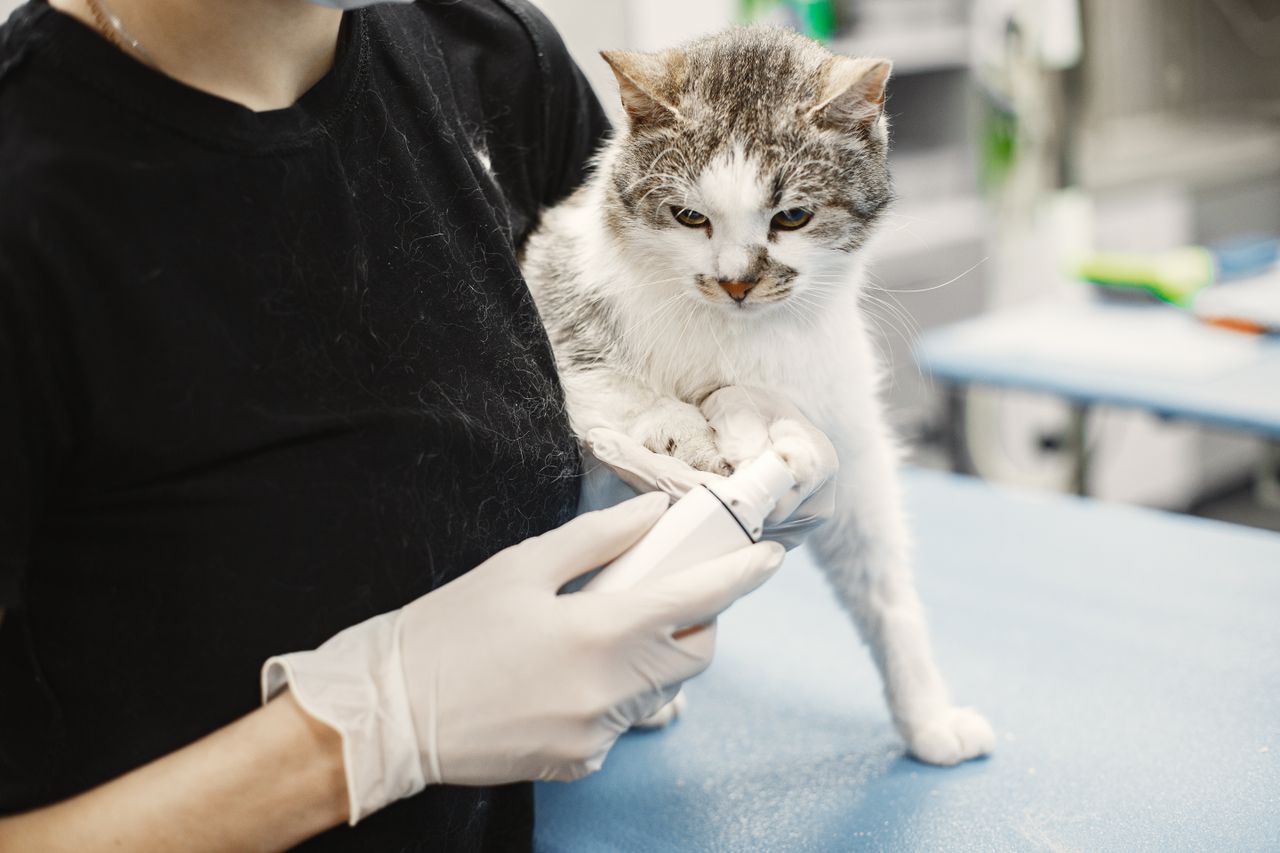
Conditions We Address
Each concern is evaluated through a comprehensive, individualized approach for Spay & Neuter at Pedley Veterinary Hospital.
Signs Your Pet May Need Evaluation
Early evaluation can improve comfort and help the veterinary team choose appropriate next steps.
What to Expect During Your Appointment
We believe informed pet owners make better decisions. Here is what happens when you visit us.

We review age, breed, size, health, reproductive history, lifestyle, medications, and the benefits and considerations of timing.
The veterinarian performs an examination and discusses fasting, laboratory testing, anesthesia, monitoring, pain control, and procedure-specific considerations.
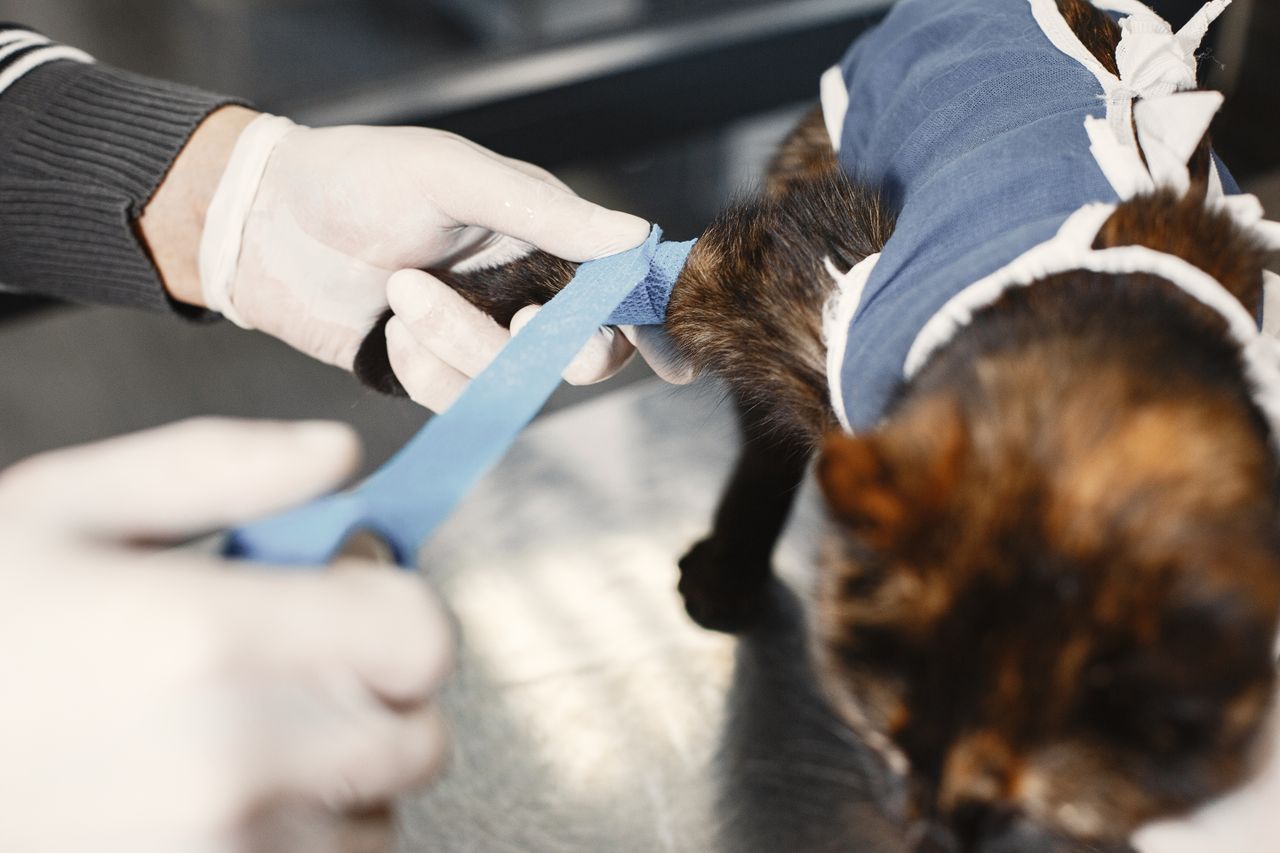
Your pet is monitored during anesthesia and recovery, and you receive medication, activity, incision-care, protective-collar, and recheck instructions.
Pre-Anesthetic Assessment & Monitoring
Health evaluation and screening help the team plan anesthesia and recovery for the individual patient.
Why Families Trust Pedley Veterinary Hospital
Families deserve a clear discussion of timing, anesthesia, pain control, and recovery. We tailor the procedure plan to your pet instead of treating every patient the same.
Ready to schedule Spay & Neuter?
Our team is here to help. Request an appointment or call us directly — we will guide you through the next steps.
Frequently Asked Questions
Common questions from pet owners about this service.
When should my pet be spayed or neutered?
Timing depends on species, breed, size, health, development, lifestyle, and reproductive considerations. The veterinarian will discuss an individualized recommendation.
Will my pet need pre-anesthetic blood work?
Pre-anesthetic screening is commonly recommended to identify health concerns that may affect anesthesia or recovery. The exact plan depends on age and medical history.
How long is recovery?
Many pets need restricted activity and incision protection for roughly one to two weeks, but instructions vary by procedure and patient. Follow the specific discharge plan.
What should I monitor after surgery?
Monitor appetite, comfort, urination, vomiting, energy, and the incision. Contact the hospital for significant swelling, bleeding, discharge, opening, breathing difficulty, collapse, or uncontrolled pain.
Related Services
Ready to Schedule Your Pet’s Visit?
Contact Pedley Veterinary Hospital today to request an appointment. Our caring team is here for your companion.