
Veterinary Surgery in Riverside, CA
Prepare for surgery with clear planning, individualized anesthesia, careful monitoring, and detailed recovery support.
Overview
Surgical care begins before the procedure. Health assessment, anesthesia planning, pain control, monitoring, sterile technique, and recovery instructions are all tailored to the patient and operation.
Pre-surgical assessment and planning
Individualized anesthesia monitoring
Pain management and recovery care
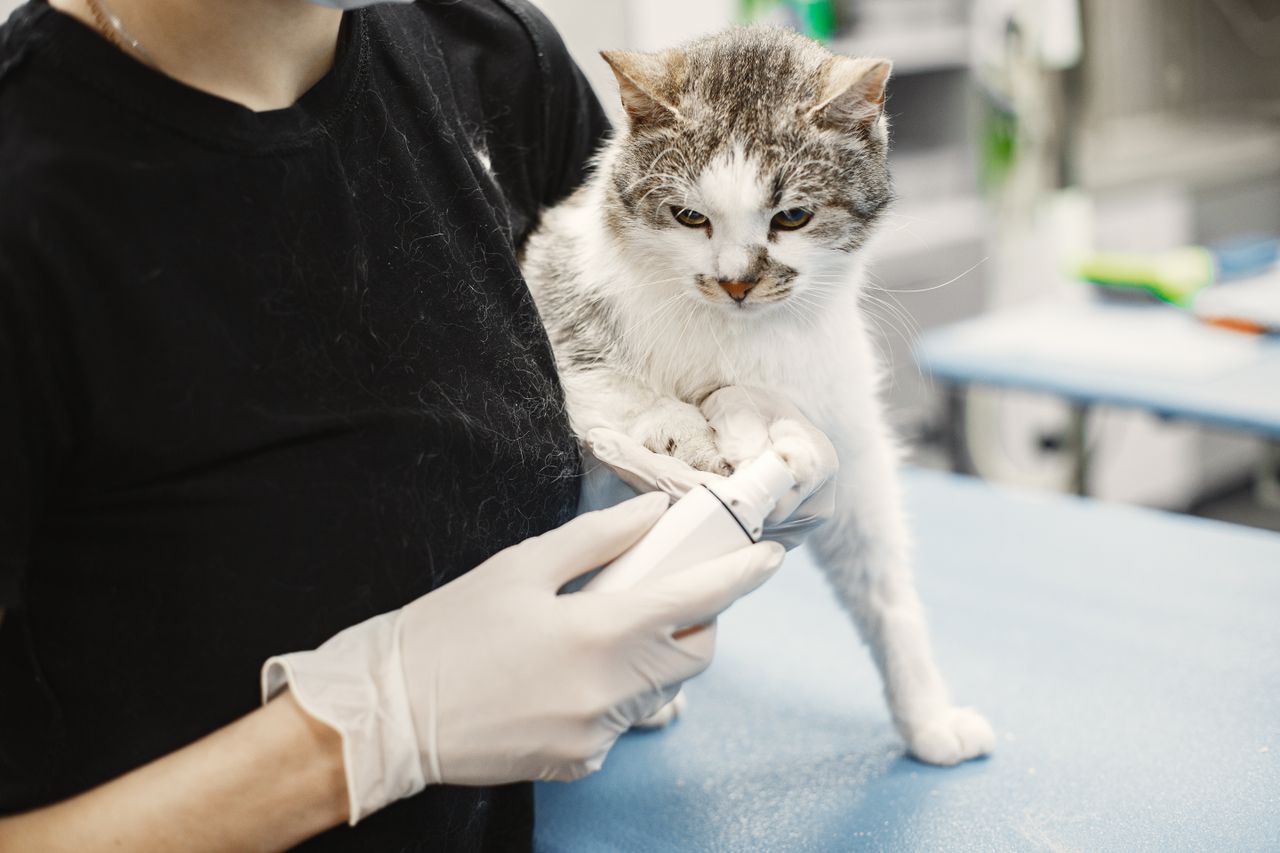
Conditions We Address
Each concern is evaluated through a comprehensive, individualized approach for Veterinary Surgery at Pedley Veterinary Hospital.
Signs Your Pet May Need Evaluation
Early evaluation can improve comfort and help the veterinary team choose appropriate next steps.
What to Expect During Your Appointment
We believe informed pet owners make better decisions. Here is what happens when you visit us.

We review the diagnosis, procedure, alternatives, expected benefits, risks, medications, recovery needs, and questions before scheduling.
The veterinarian evaluates health and recommends laboratory testing, imaging, fasting, medication adjustments, and an individualized anesthesia and pain-control plan.
Your pet is monitored through anesthesia and recovery, and you receive medication, activity, incision-care, feeding, and recheck instructions.
Pre-Anesthetic & Procedure Support
Testing and monitoring are selected according to age, health, procedure type, and anesthesia risk.
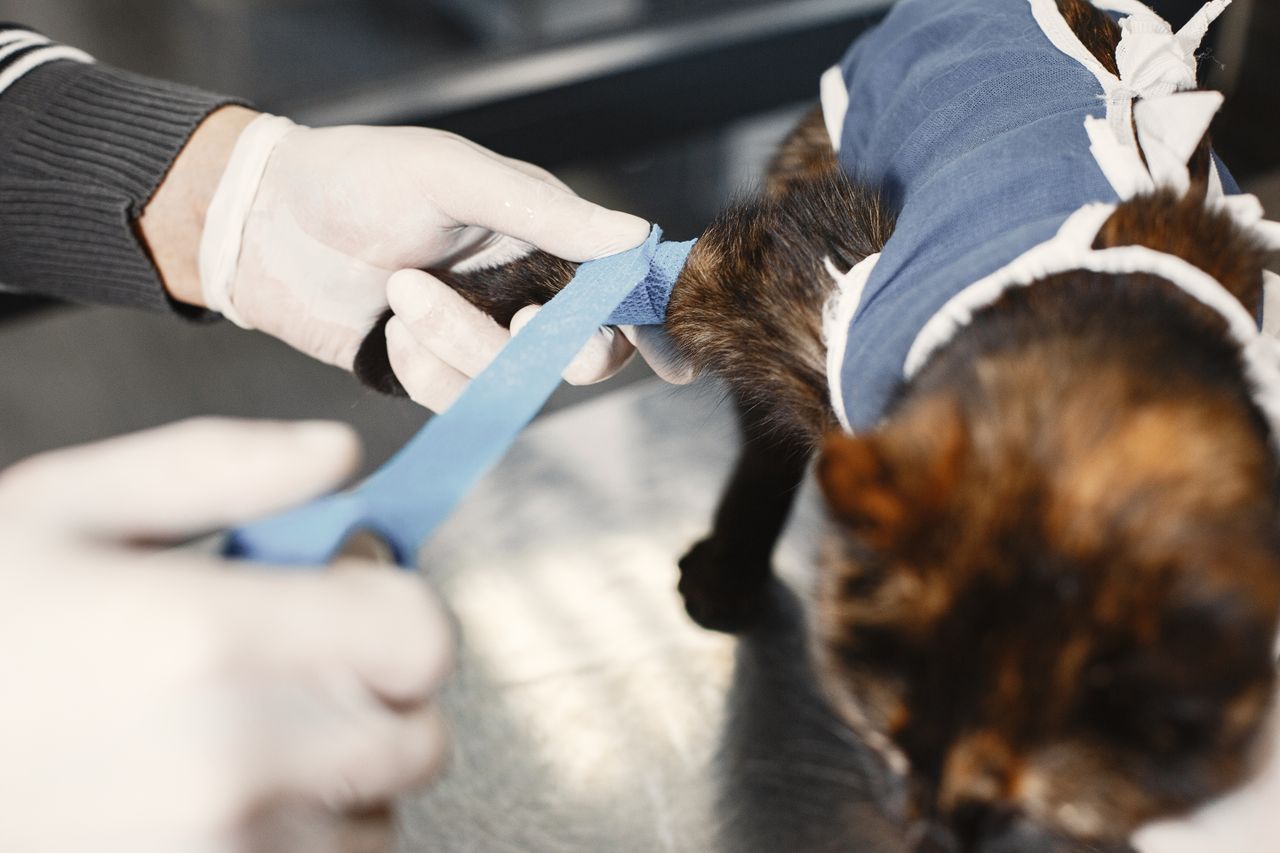
Why Families Trust Pedley Veterinary Hospital
Surgery can be stressful for families. We explain the procedure, anesthesia, expected recovery, warning signs, and alternatives so decisions are informed and preparation is practical.
Ready to schedule Veterinary Surgery?
Our team is here to help. Request an appointment or call us directly — we will guide you through the next steps.
Frequently Asked Questions
Common questions from pet owners about this service.
Why is pre-anesthetic testing recommended?
Testing helps identify health concerns that may affect anesthesia, medication choice, monitoring, or whether the procedure should be adjusted or postponed.
Will my pet receive pain medication?
Pain management is planned according to the procedure and patient. It may include medications before, during, and after surgery, along with home instructions.
What should I expect after surgery?
Recovery varies by procedure. You receive instructions for activity, feeding, medication, incision care, protective collars, warning signs, and rechecks.
When should I call after surgery?
Contact the hospital for uncontrolled pain, repeated vomiting, breathing difficulty, collapse, significant bleeding, rapidly increasing swelling, incision opening, or other concerns listed in the discharge instructions.
Related Services
Ready to Schedule Your Pet’s Visit?
Contact Pedley Veterinary Hospital today to request an appointment. Our caring team is here for your companion.