
Laboratory Testing in Riverside, CA
Use targeted laboratory testing to evaluate illness, establish health baselines, and monitor ongoing treatment.
Overview
Laboratory tests can reveal information that is not visible during a physical examination. Test selection depends on symptoms, age, medication use, medical history, and the clinical question being investigated.
Blood and chemistry testing
Urine and stool analysis
Microscopy and sample evaluation
Conditions We Address
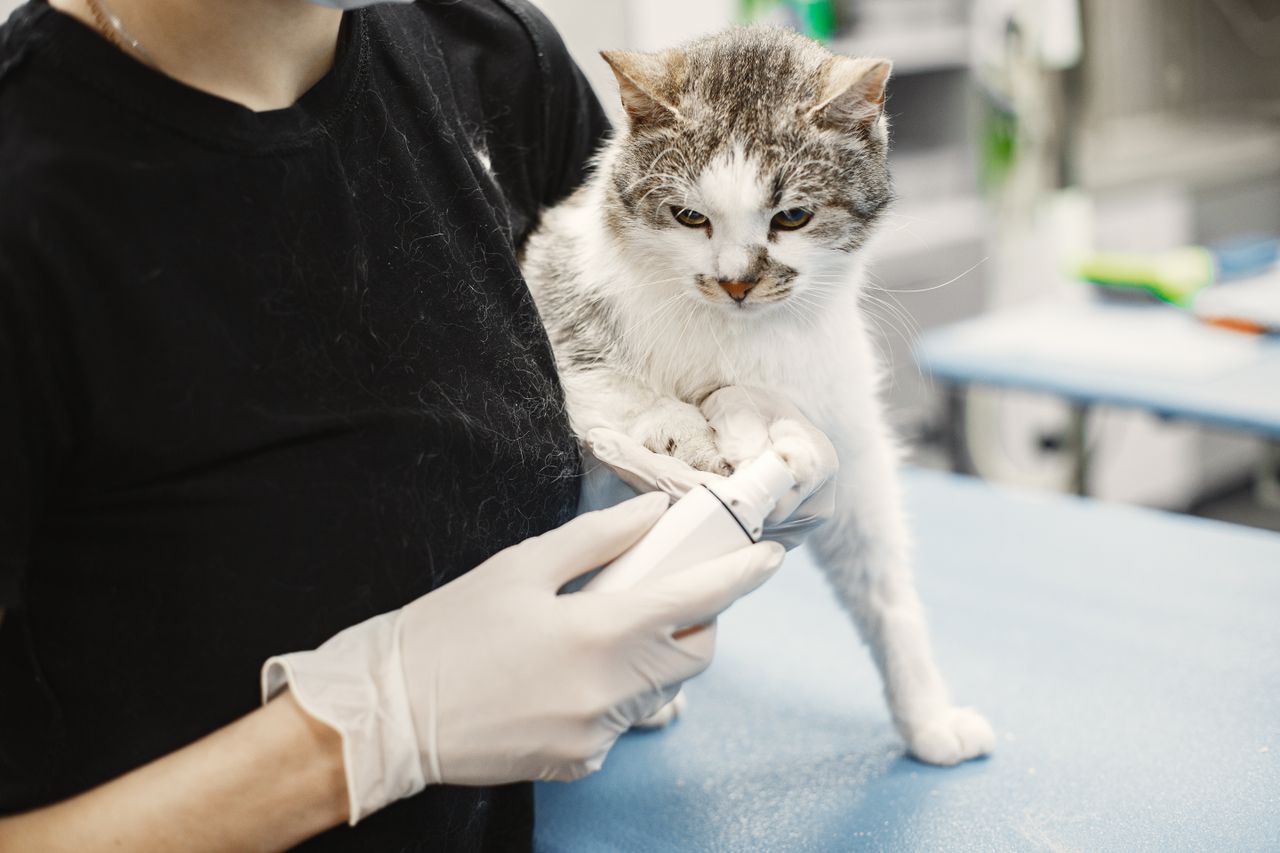
Each concern is evaluated through a comprehensive, individualized approach for Laboratory Testing at Pedley Veterinary Hospital.
Signs Your Pet May Need Evaluation
Early evaluation can improve comfort and help the veterinary team choose appropriate next steps.
What to Expect During Your Appointment
We believe informed pet owners make better decisions. Here is what happens when you visit us.

We clarify symptoms, medications, timing, fasting needs, and the specific information the laboratory test should provide.
Blood, urine, stool, skin, ear, or other samples are collected using the method appropriate for the test and your pet’s comfort.
The veterinarian interprets results with the examination and explains treatment, monitoring, repeat testing, or additional diagnostics when necessary.
In-House & Reference Laboratory Support
The testing location and turnaround time depend on the sample, urgency, and complexity of the test.
Why Families Trust Pedley Veterinary Hospital
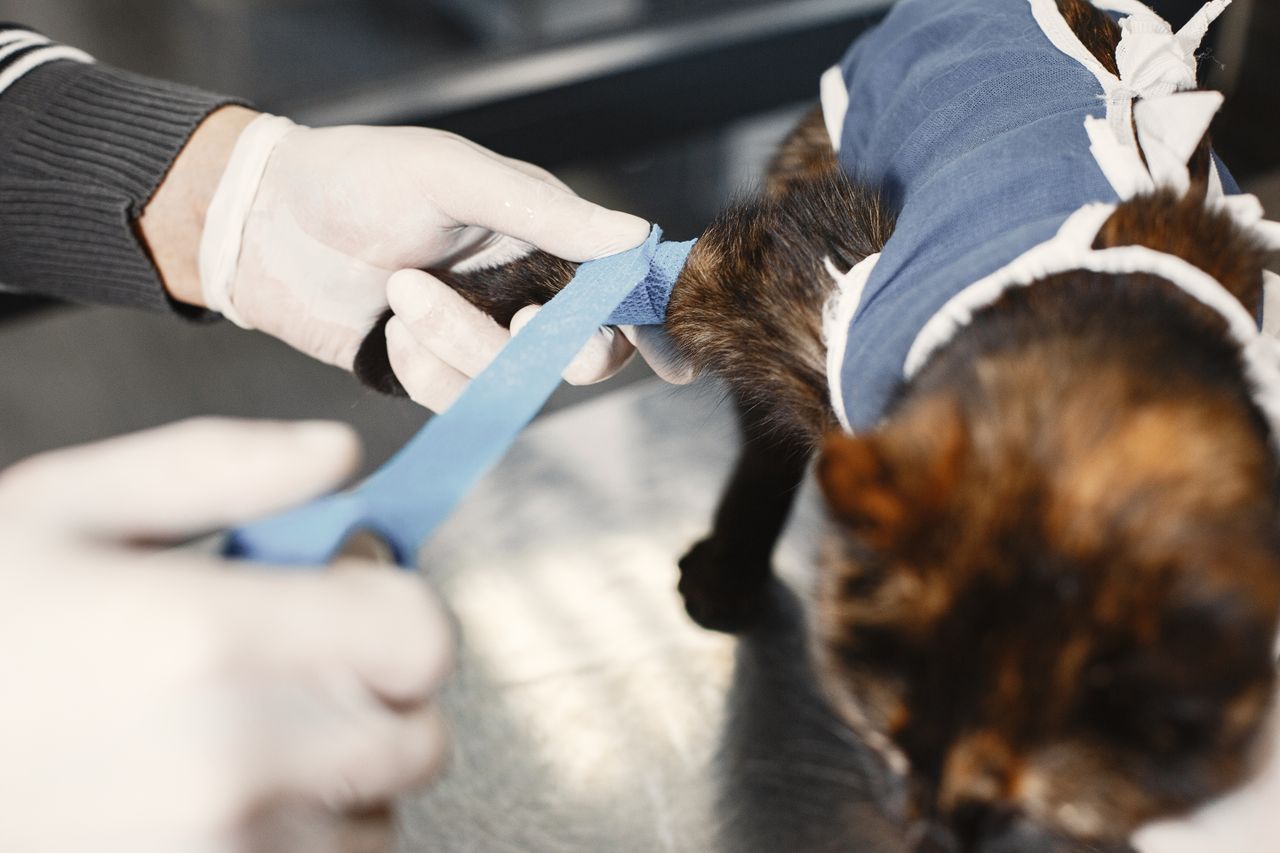
The right sample, handling method, and interpretation matter as much as the test itself. We explain preparation, expected timing, and how results may change care.
Ready to schedule Laboratory Testing?
Our team is here to help. Request an appointment or call us directly — we will guide you through the next steps.
Frequently Asked Questions
Common questions from pet owners about this service.
Does my pet need to fast before laboratory testing?
Some tests are more accurate after fasting, while others do not require it. Follow the instructions provided for your pet and do not withhold water or medication unless specifically directed.
How long do results take?
Some in-house results may be available promptly. Reference laboratory and specialized tests can take longer. The expected timing is discussed when samples are collected.
Can one abnormal value diagnose a disease?
Not always. Results are interpreted with symptoms, examination findings, medications, hydration, and previous values. Repeat or additional testing may be appropriate.
Why might a test need to be repeated?
Repeat testing can confirm an unexpected value, monitor trends, assess treatment response, or account for timing and sample-quality factors.
Related Services
Ready to Schedule Your Pet’s Visit?
Contact Pedley Veterinary Hospital today to request an appointment. Our caring team is here for your companion.