
Senior Pet Care in Riverside, CA
Support your senior pet’s comfort, mobility, and quality of life with age-focused examinations and individualized monitoring.
Overview
Senior pets can develop gradual changes that are easy to miss at home. Regular examinations, trend monitoring, and thoughtful management help identify concerns earlier and protect comfort and independence.
Age-focused wellness examinations
Mobility and pain assessment
Chronic-disease screening and monitoring
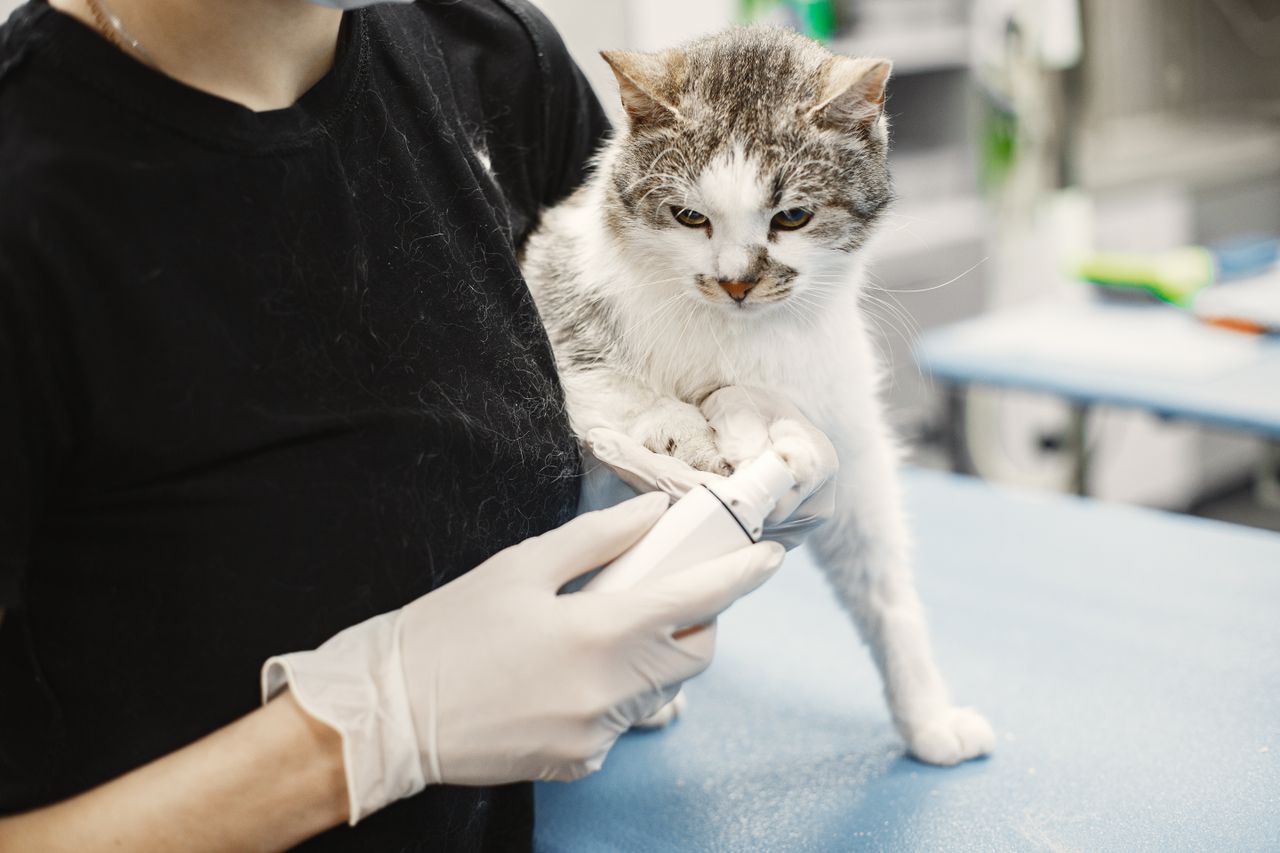
Conditions We Address
Each concern is evaluated through a comprehensive, individualized approach for Senior Pet Care at Pedley Veterinary Hospital.
Signs Your Pet May Need Evaluation
Early evaluation can improve comfort and help the veterinary team choose appropriate next steps.
What to Expect During Your Appointment
We believe informed pet owners make better decisions. Here is what happens when you visit us.

We discuss mobility, appetite, sleep, behavior, medications, daily routines, chronic conditions, and changes that may affect comfort or independence.
Our veterinarian evaluates body and muscle condition, joints, heart, lungs, mouth, eyes, skin, abdomen, and other age-related concerns.
You receive recommendations for screening, medication monitoring, pain management, nutrition, home modifications, and follow-up.
Monitoring Tools for Aging Pets
Testing is selected to establish trends, evaluate symptoms, or monitor known conditions and medications.
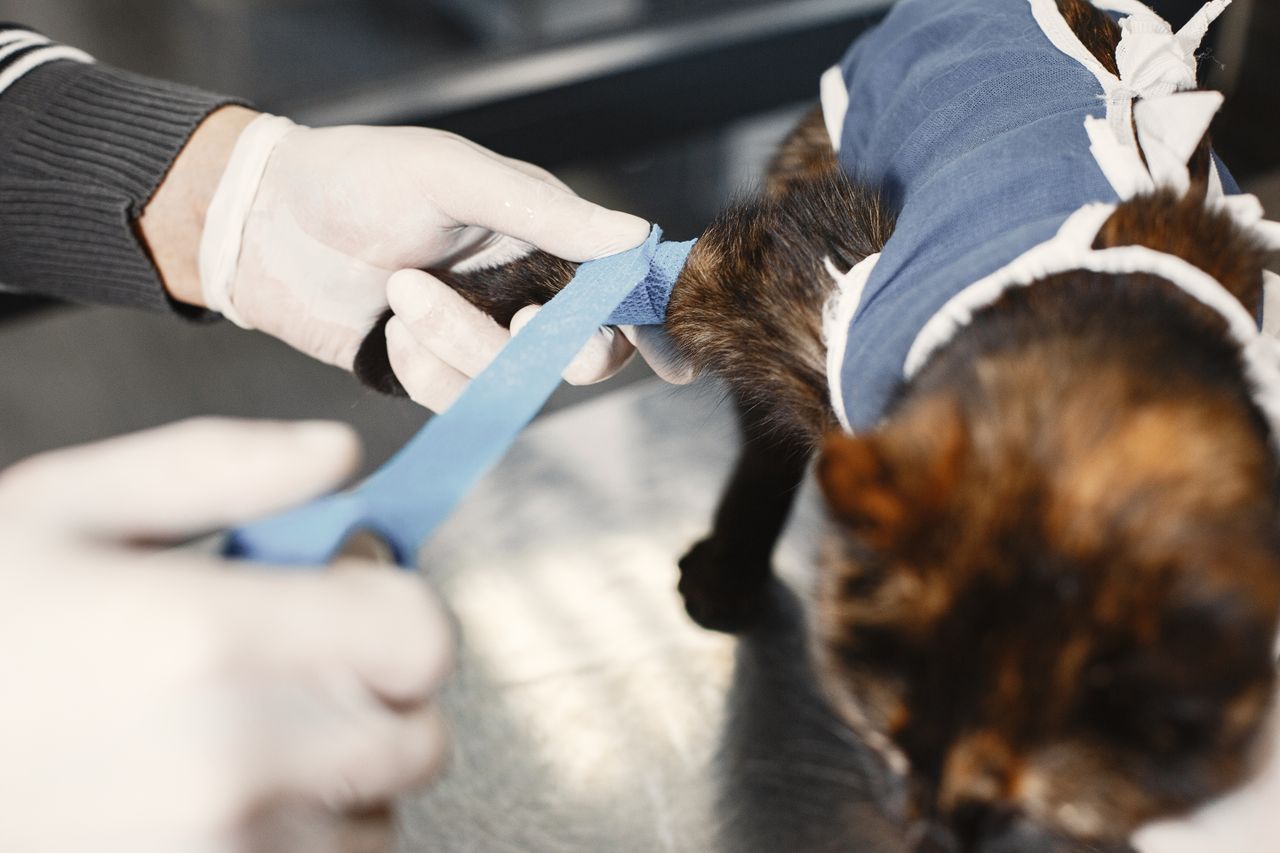
Why Families Trust Pedley Veterinary Hospital
Aging is different for every pet. Our team combines careful observation, medical history, examination findings, and practical home-care guidance to help protect comfort and quality of life.
Ready to schedule Senior Pet Care?
Our team is here to help. Request an appointment or call us directly — we will guide you through the next steps.
Frequently Asked Questions
Common questions from pet owners about this service.
When is a pet considered senior?
The senior life stage varies by species, breed, and size. Large dogs often age earlier than small dogs, and your veterinarian can recommend when age-focused monitoring should begin.
How often should a senior pet be examined?
Many senior pets benefit from more frequent examinations than younger adults, especially when they have chronic conditions or take ongoing medication. The interval is individualized.
What screening tests are commonly discussed for seniors?
Depending on health and history, recommendations may include blood work, urinalysis, blood pressure, thyroid testing, imaging, or other targeted tests.
How can I help a senior pet at home?
Helpful changes may include traction on slippery floors, easier access to food and water, supportive bedding, weight management, controlled exercise, medication routines, and monitoring appetite, mobility, and behavior.
Related Services
Ready to Schedule Your Pet’s Visit?
Contact Pedley Veterinary Hospital today to request an appointment. Our caring team is here for your companion.